
Loading...
Serving Port St. Lucie, FL and surrounding areas. (772) 251-0040
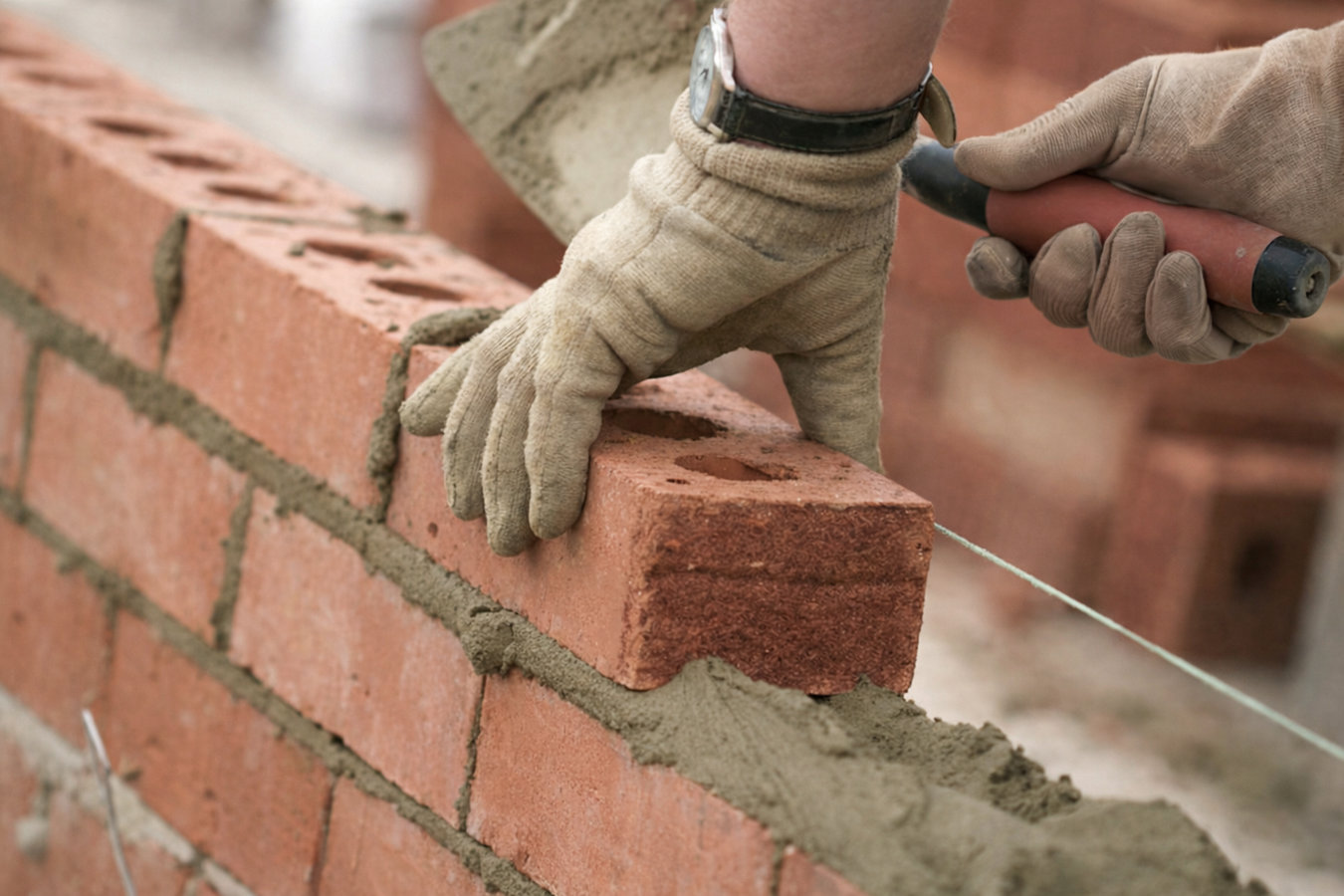
Rotting wood fences, no backyard privacy, or an older wall that has started to lean - a properly built brick wall solves it permanently and holds up to Port St. Lucie storms for 50 years or more.
Brick wall installation in Port St. Lucie starts with digging and pouring a concrete footing, then laying individual bricks row by row in mortar - a standard garden or boundary wall of 30 to 50 feet typically takes a crew one to two weeks from footing to finished surface, plus one to three weeks for city permit approval before work begins.
The footing is the part of the job that determines whether your wall lasts for decades or starts leaning within a few years. Port St. Lucie sits on sandy coastal soil that shifts as moisture levels change - a footing that would hold fine in denser ground elsewhere can fail here if it is not dug deep enough. Experienced local masons know to go down 18 to 24 inches or more. The city's building permit process for masonry walls includes an inspection, which is your independent confirmation the footing and construction were done to standard.
If your existing brick wall has cracked joints or spalling bricks but the footing is still solid, our brick repair service may be all you need. For projects that combine a new wall with natural stone elements, our stone masonry work covers pillars, caps, and accent features that pair well with brick.
If you can see the wall tilting even slightly, or if cracks run diagonally through the mortar joints or the bricks themselves, the footing has shifted or failed. In Port St. Lucie's sandy soil, this can happen faster than homeowners expect - especially on older walls built without an adequate footing. A leaning wall will not correct itself, and the longer it sits, the more expensive the rebuild becomes.
If you have replaced fence boards or whole sections more than once in the past few years, you know that wood does not hold up in South Florida's heat, humidity, and storm season. A brick wall is a permanent fix - it will not rot, warp, or become a hazard in a tropical storm. Many Port St. Lucie homeowners make the switch after one too many post-hurricane repair bills.
A chalky white residue on an older brick wall is efflorescence - mineral salt pushing through as moisture moves through the wall. In Port St. Lucie's humid climate, persistent efflorescence can signal that mortar joints are deteriorating. If the staining keeps coming back after cleaning, or if mortar is crumbling between bricks, the wall may need partial or full rebuilding rather than a surface treatment.
Port St. Lucie has seen significant new construction, and many homeowners find their lots have no privacy barrier at all. If you are looking at your neighbor's yard from your lanai or pool deck, a brick wall provides durable, attractive separation. This is also the right time to act - before landscaping goes in and access to the perimeter becomes more difficult.
We build privacy walls, boundary walls, garden and landscape walls, entrance pillars, and pool equipment enclosures - the design depends on what the wall needs to do and how it will be used. Privacy walls that run along a property line need to meet Port St. Lucie height limits and setback requirements, which we verify before drawing up your estimate. Taller walls or those in exposed locations are reinforced with steel rebar embedded in the mortar, which is how Florida's building code handles wind load requirements for freestanding masonry.
For walls that need stone accents - caps, pillars, or decorative inserts - we coordinate with our stone masonry work so the finished result is one cohesive project. If your existing wall has localized damage - cracked joints, spalling faces, or sections that have shifted - our brick repair service may restore it for a fraction of the cost of a full rebuild.
Best for homeowners who want a permanent, low-maintenance barrier between their yard and neighbors, roads, or commercial areas.
A strong fit for front entries where curb appeal matters - brick pillars frame a driveway or front path and add lasting value to the property.
Ideal for defining outdoor areas, raised planting beds, or steps - low walls that follow the shape of the yard and blend with the landscape.
A durable replacement for rotting wood enclosures - brick holds up in South Florida humidity without painting, staining, or regular replacement.
Port St. Lucie sits in a wind-prone zone on Florida's Treasure Coast, and the city's building code requires freestanding masonry walls to be designed for significant wind loads. That means the footing needs to be engineered to resist lateral force, not just carry vertical weight, and walls above certain heights need steel reinforcement run through the hollow cores and grouted in place. A mason who does not account for these requirements is not just cutting corners - they are building something that fails the city inspection or, worse, fails in a storm. The local soil adds another layer of complexity: sandy coastal ground shifts with moisture and does not grip a shallow footing the way firmer soil does elsewhere.
Homeowners across our service area, from neighborhoods in Port St. Lucie to communities in Jupiter, deal with the same combination of sandy soil, summer heat, and HOA design requirements. We know these conditions well because we work in them every week. Mortar cures differently in 90-degree heat than in cooler weather, and experienced local masons schedule accordingly - working morning hours in summer and monitoring the forecast to protect fresh joints from afternoon thunderstorms.
We respond within one business day to schedule a free on-site visit. We will ask about your goals, any HOA restrictions, and roughly what size wall you have in mind - so we arrive prepared rather than starting from scratch.
We visit your property, assess the soil and grade, walk through brick options, and give you a written estimate that breaks out labor, materials, and permit fees separately. Once you approve, we submit the permit application to the City of Port St. Lucie Building Division - typically one to three weeks for approval.
On the first day of work, the crew digs the footing trench and pours concrete. This is the most important part of the project - the footing must cure for at least 24 to 48 hours before any bricklaying begins. Do not be surprised if the crew leaves after the first day with nothing visible above ground yet.
Once the footing has set, we lay brick row by row, checking level and alignment throughout. After the wall is complete, a city inspector signs off for permitted work. We do a final cleanup and walk you through the finished wall - mortar reaches full strength in about a week.
We respond within one business day. No obligation - just a clear written price for what your property needs.
(772) 251-0040Port St. Lucie's sandy coastal soil does not hold a shallow footing the way denser ground does. We dig to stable ground - often 18 to 24 inches or more - on every project. That extra depth is what keeps your wall standing straight for decades instead of leaning within a few years.
Port St. Lucie sits in a wind-prone zone, and the city's building code requires freestanding walls to be designed for high wind loads. We reinforce with steel rebar where required - the same approach Florida's hurricane building standards call for. We serve homeowners across all 12 communities in our Treasure Coast service area.
We submit the permit application to the City of Port St. Lucie Building Division and are on-site for the city inspection after the wall is complete. Your wall is on the official record - which protects you if you ever sell your home or file an insurance claim after storm damage.
Tradition, PGA Village, and many other Port St. Lucie communities have HOA rules covering wall height, brick color, and placement. We review your requirements before drawing up a design, so the finished wall meets your association's standards and you never have to tear out finished work.
The Brick Industry Association and the Florida Department of Business and Professional Regulation provide the standards and licensing framework that licensed masonry contractors in this state are required to follow. Working with a licensed contractor means the wall is built to those standards and backed by the city inspection process - not just the contractor's word.
For homeowners who want the look of natural stone instead of brick - garden walls, pillars, and accent features built from cut or fitted stone.
Learn moreCracked, spalling, or stained brick on an existing wall can often be repaired and restored before a full replacement becomes necessary.
Learn moreFall is the best season for masonry work here - contact us now before the schedule fills and permits slow down.